
Anthropic launches Claude Ship to review and approve code
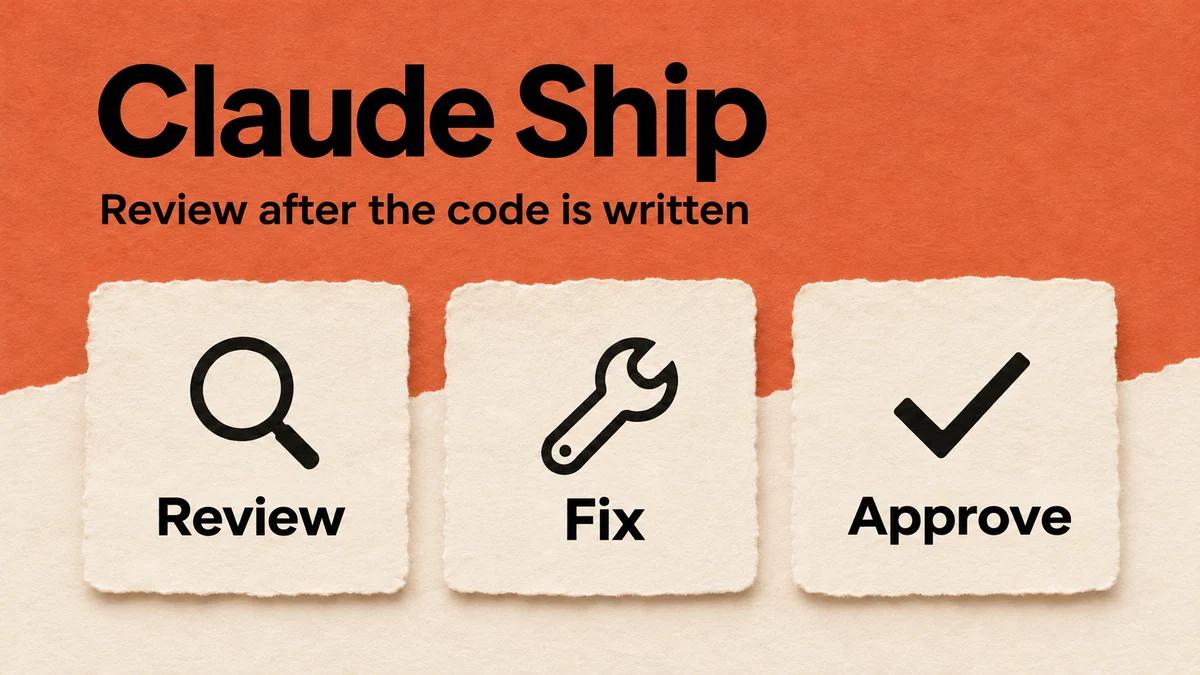
On November 23, 2026, Anthropic launched Claude Ship, a system that uses AI agents to review code, fix issues, follow up on tests, and approve changes. The goal is to reduce the need for people to follow up on every change so teams can finish software as quickly as AI can write the code.
In brief
- Claude Ship automates code review, fixes, and approval decisions.
- Specialized agents work together and follow up on each other’s findings.
- Teams set the rules for what AI can approve on its own.
- Claude Ship can also review code written with tools other than Claude Code.
- Claude Ship is available in beta for Claude Team and Enterprise.
When AI writes code faster than people can review it
Anthropic says Claude already writes most of the code used to develop Claude Code. AI can produce a lot of code quickly, but teams still need to review, test, and approve those changes before adding them to the software.
When people have to follow up on every change, that work can become a bottleneck. Claude Ship is designed to automate this part of the process.
How Claude Ship works
Claude Ship works with GitHub, a platform for storing and managing code. When a person or an AI agent proposes a change, they open a pull request (PR), a request to merge the change into the project.
Claude Ship has three parts, each with a different responsibility.
A fix can trigger another review before Claude Approvals evaluates the change. Image from Anthropic.
Code Review
Several AI agents review the changes and examine how they affect the rest of the software. They look for bugs, security flaws, and other issues, verify what they find, and report it.
Teams can choose from three review levels, Quick, Standard, and Deep, depending on how thoroughly they want the code reviewed.
PR Steward
PR Steward follows up on the issues reviewers find. It can fix bugs, resolve conflicts between changes, and address failing automated tests.
It can also act on feedback from people and other AI agents. After each push, it reports what it changed and how to undo the change.
PR Steward runs in the cloud, including when the developer is away. Approvals and merges follow separate rules.
PR Steward acts on a finding from Code Review, pushes a fix, and explains how to undo it. Image from Anthropic.
Claude Approvals
Claude Approvals decides whether proposed changes meet the project’s approval rules. The team defines those rules in a file in the repository.
A team might let Claude approve a small design change automatically and require a person to approve changes to payments, sign-in, or security.
If a change meets all the requirements and the project’s GitHub rules permit automatic merging, it can become part of the software without someone stepping in.
Claude Approvals approves a fix for broken links in the documentation. Image from Anthropic.
AI agents review and correct each other’s work
When Code Review flags a problem, PR Steward can fix it. That change can trigger another review and another round of tests. The process can repeat before Claude Approvals decides whether to approve the code.
Previously, a developer might have to pause their current task, return to an earlier change, fix the issue, and wait for another review.
Claude Ship can handle much of that work automatically while the developer moves on to other tasks.
The system works with code written by people or with other AI development tools, as well as code written with Claude Code.
A new command in Claude Code
Anthropic also introduced the /ship command in Claude Code. When a change is ready, a developer can run the command to open a pull request and start review, fixes, and follow-up on failing tests.
When a developer runs /ship, Claude Code starts reviewing the change and follows up on it in the same session. Image from Anthropic.
Teams can configure the full Claude Ship system to follow up on changes across the repository automatically, without having to run the command for each pull request.
The developer’s role is changing
Claude Ship takes AI-assisted development a step further. Agents can work on their own within rules the team sets.
The automation now covers parts of code review, quality checks, fixes, and follow-up that people have traditionally handled.
As agents take on more of that work, people can spend more of their time defining the goals, requirements, and rules the agents should follow.
For individuals and small teams, this could make it possible to develop and maintain more software projects at once, with less time spent following up on each change.
Availability and pricing
Claude Ship is available to Claude Team and Enterprise customers who use GitHub. Code Review was already generally available. PR Steward and Claude Approvals are in beta.
Usage is billed separately from the amount included in the subscription, based on token use, a measure of how much information the models process. Admins can set spending limits for Code Review and PR Steward.
Anthropic recommends starting with one repository and increasing automation gradually. In observe mode, Claude Approvals reports the decisions it would make without actually approving changes.
The system can still miss bugs and security flaws. Automated tests, clear rules, and human review for critical changes still matter.
What to take away
Claude Ship automates the work that comes after the code is written.
When AI agents can review, test, fix, and approve changes under the team’s rules, developers can spend less time following up on individual changes. More of the development process can then run on its own.